Brooklyn Street Dam, Barre (2025)
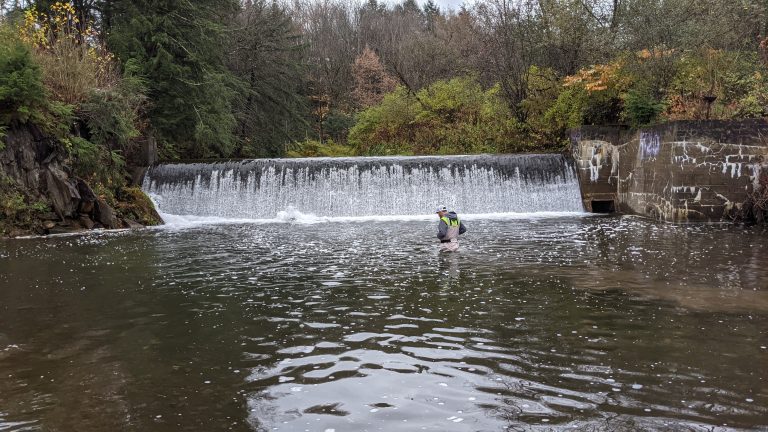
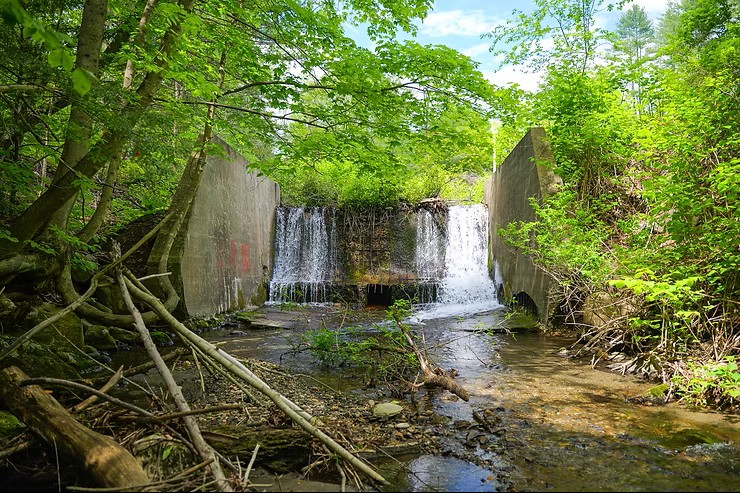
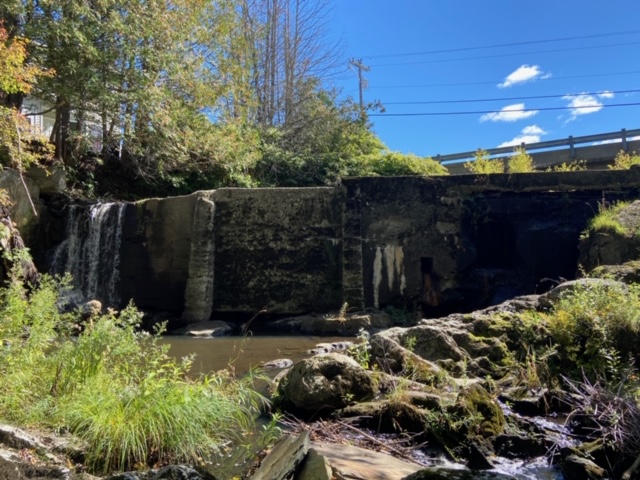
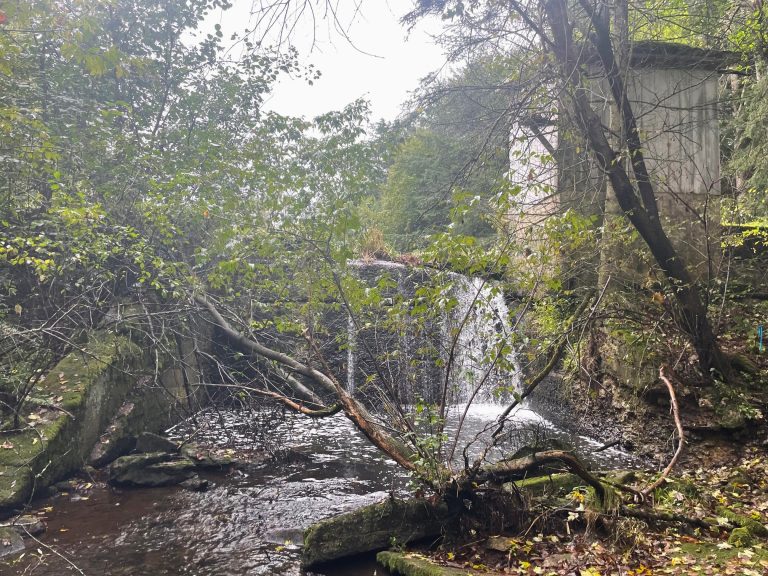
In September of 2025, the Brooklyn Street Dam was successfully removed thanks to the Friends of the Winooski River. The dam was located on the Steven’s Branch of the Winooski, and its removal has opened up approximately 9 miles of river upstream. The landowners, Trow and Holden Co. have owned the property since the mid 1800s. The dam was originally used to help power the manufacturing equipment that made stone cutting and masonry tools for the granite industry in Barre. In the 1800s, a timber crib dam was built, and around 1913, a concrete dam was constructed in tandem with the timber crib dam. An intentional breach to the dam structure occurred in 1950, lowering the dam and the impoundment. The dam has been degrading ever since.
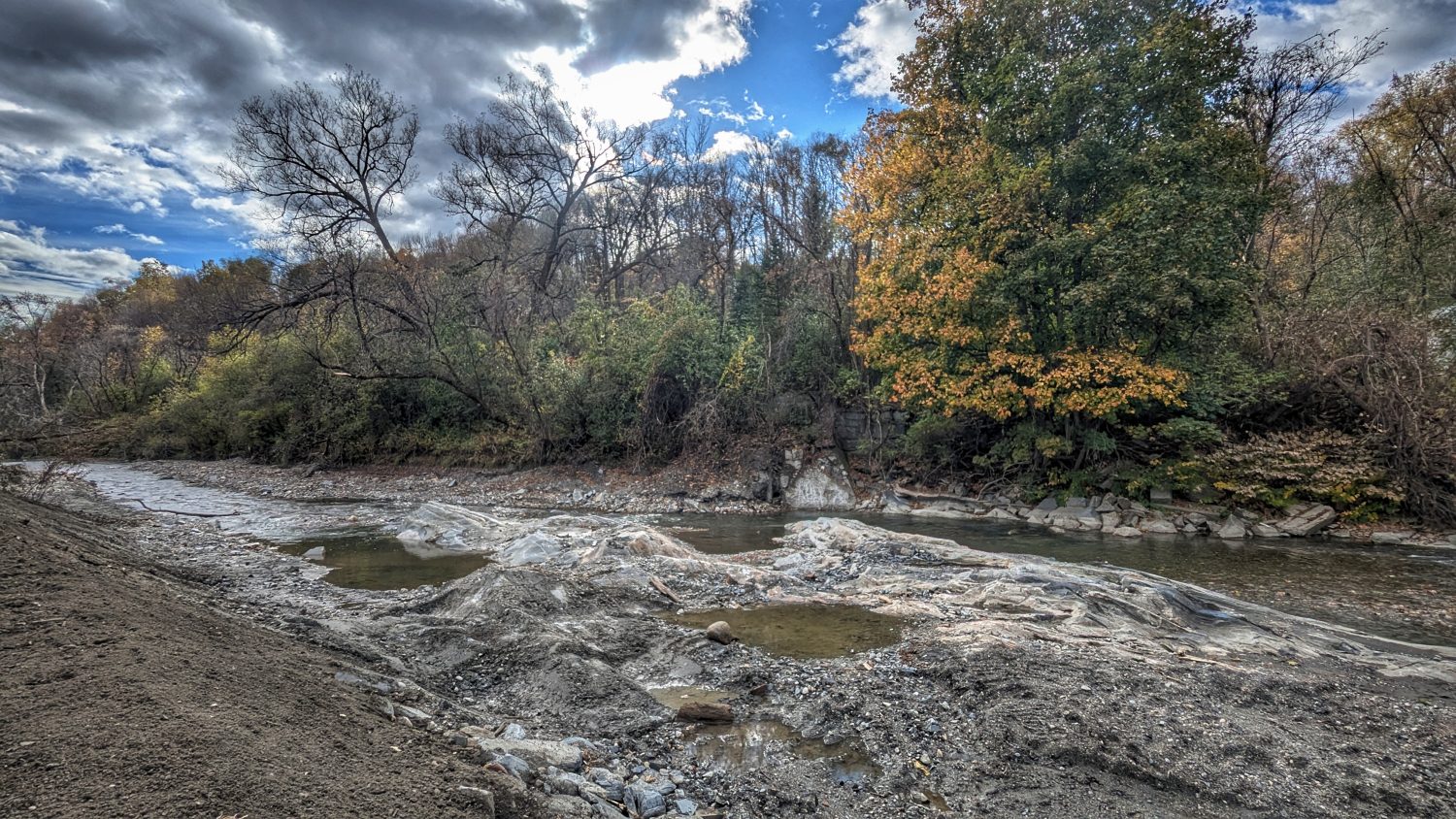
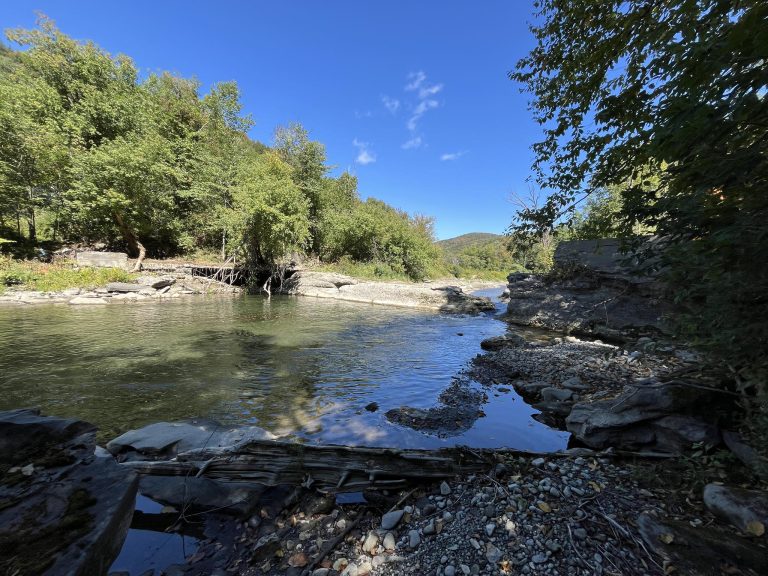
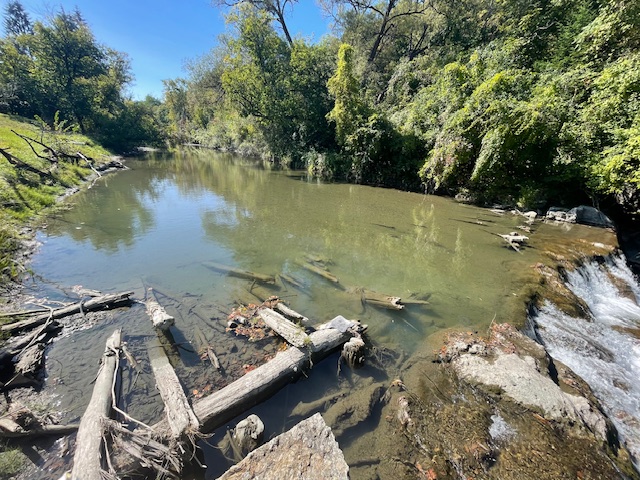
While the dam held some sentimental value as a part of their family history, Trow and Holden Co. understood the importance of removing it to improve stream function, habitat, and river connectivity for aquatic organism passage. The Friends of the Winooski worked with SLR Consulting on the removal design and implementation. The removal of the 110-foot-long, 12-foot-high dam will help improve flood resiliency for the City of Barre, and will protect Trow and Holden’s historic building. The removal of sediment behind the dam has uncovered a beautiful stony stream bed and exposed bedrock. The rocky stream bed will create bathymetric variability, adding nooks and crannies for aquatic habitat, which will also help oxygenate the water and create the ideal habitat for trout and other fish species. Additionally, this project is part of a larger initiative that will remove two other dams from the Steven’s Branch in order to open up the river and improve water quality and aquatic organism passage for the watershed.
Thanks to Friends of the Winooski, SLR Consulting, and Hilltop Construction of Randolph, Vermont for implementing the dam removal. The work was funded by the Vermont Fish & Wildlife Department, US Fish & Wildlife Service, Vermont Department of Environmental Conservation, and the Lake Champlain Basin Program of NEIWPCC. And of course a special thanks to the landowners Trow and Holden Co. for making this important project possible.